
By Tracy Marsh, Ph.D.
One of the many joys of living in our community is how close we are to nature. Throughout the year, we're lucky to see and hear a wide variety of birds, mammals, and reptiles. But what happens to these neighbors when a major wildfire sweeps through?
After a fire in California chaparral, resident birds face an immediate trade-off: they lose dense shrub cover but gain open ground for foraging. Mobile species can escape the flames. Chaparral specialists that stay put, like the wren-tit, California thrasher, and bushtit, often see steep local declines because they rarely travel far and rely on thick brush and leaf litter for shelter. In the weeks and months that follow, displaced Anna's hummingbirds and songbirds often turn up in nearby yards looking for water. Meanwhile, open-ground birds like rock wrens, horned larks, and California scrub-jays move into the burn scar to hunt exposed insects or cache acorns.
Recovery then comes in waves. In the first springs after a fire, fire-following native wildflowers carpet the hillsides, and over the next several years young shrubs fill in. This sunny, blooming scrub draws colorful migrants and post-fire specialists such as lazuli buntings, Costa's hummingbirds, Lawrence's goldfinches, and black-chinned sparrows. At the same time, resprouting chamise, manzanita, and scrub oak slowly rebuild the cover that spotted towhees, California quail, wren-tits, and California thrashers need to reclaim their territory.
As we approach the two-year anniversary of the Palisades Fire, many of our year-round and migratory neighbors are back. If you'd like to get to know them better, Merlin Bird ID, a free app from the Cornell Lab of Ornithology, makes it easy. Hold up your phone, and its Sound ID feature listens to nearby birdsong and names the singers in real time. You can also snap a photo, or answer a few quick questions about size, color, and behavior, to identify a bird you've seen. It works offline once you download your region's bird pack, and it keeps a running list of every species you find. Winter is a great time to start, when visitors like yellow-rumped warblers and pine siskins join our year-round residents.
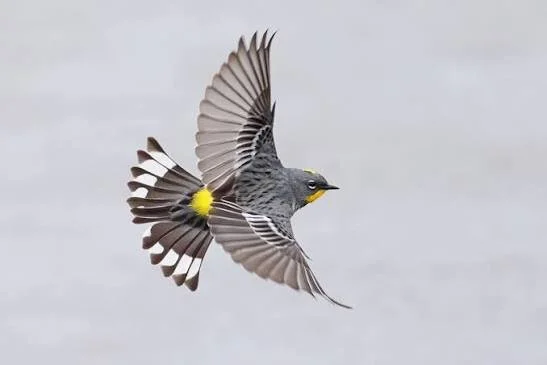
Yellow-rumped warblers spend the winter with us, and are one of the easiest visitors to spot this time of year.
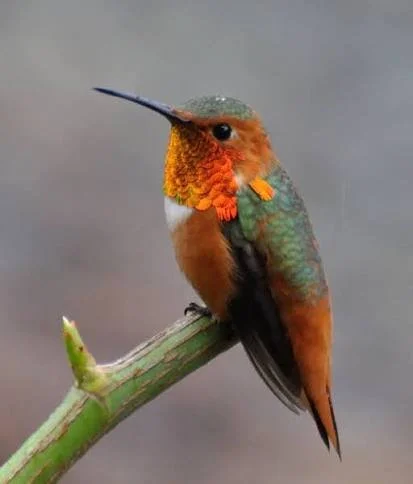
An Allen's hummingbird, one of the birds Merlin has identified in the neighborhood.
Just this morning, Merlin identified a pine siskin, northern mockingbird, yellow-rumped warbler, Anna's hummingbird, Allen's hummingbird, and American crow nearby. Over the last few weeks, it has also picked up an American barn owl, an American kestrel, a California towhee, a great horned owl, and a black phoebe. Hearing that chorus return has been a comfort. After so much loss, each familiar song is a small reminder that the land is healing, and that we are too.
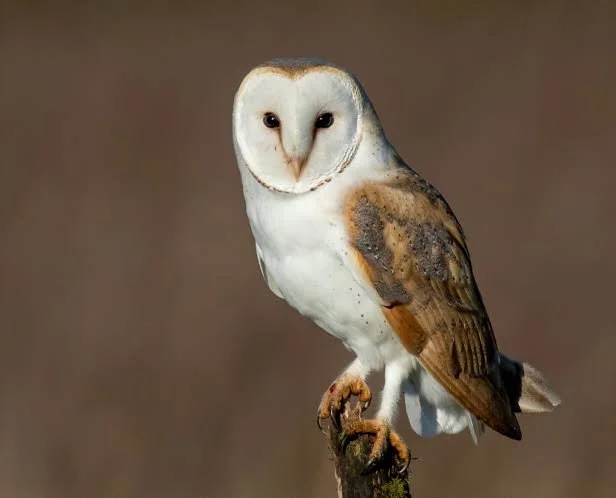
An American barn owl. These quiet night hunters are back in Sunset Mesa.
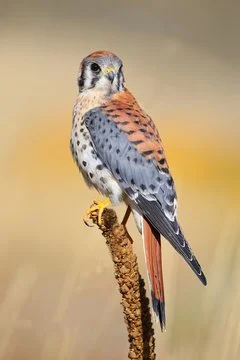
An American kestrel, our smallest falcon, hunts insects and small rodents over open ground.
One of the most meaningful things we can do as we rebuild is to plant for the birds. Native plants grew up alongside our local wildlife, and they provide the seeds, berries, nectar, and insects that birds depend on, far more than most ornamental plants do. Here in the Malibu–Palisades area, good choices include:
Toyon and coffeeberry for winter berries
California buckwheat and native sages for seeds and insects
Sticky monkeyflower and California fuchsia for hummingbirds
Ceanothus and manzanita for spring nectar and cover
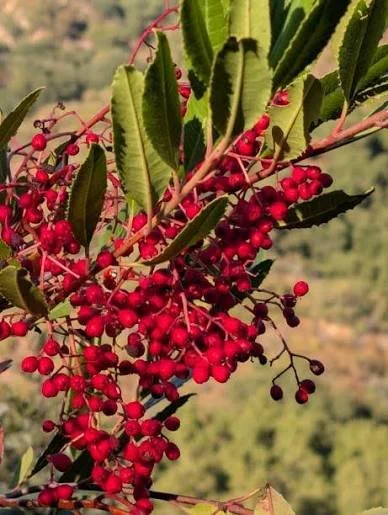
Toyon's bright red berries feed birds through the winter, when little else is available.
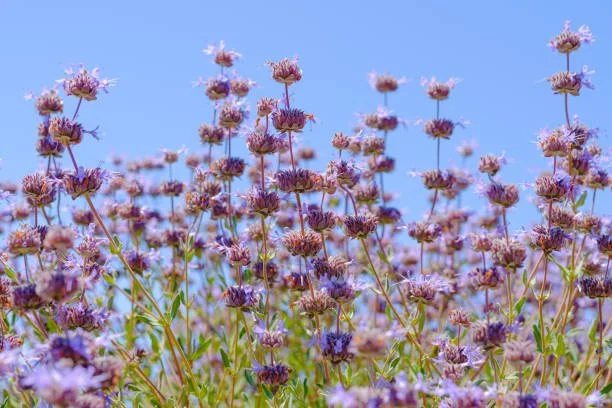
Native sages provide seeds and insects for birds, and their flowers draw hummingbirds and bees.
Once established, natives also need far less water. As you plan, follow current defensible-space guidance: keep the area right around your home clear, use low-growing, well-spaced plants near structures, and keep everything well maintained. The California Native Plant Society's Calscape website and the Theodore Payne Foundation are great places to start. Every yard planted with natives becomes another stepping stone that helps our feathered neighbors find their way home.